World Mental Health Day: ‘Taking 10 Together’ with Claire Eastham

Earlier this year for Mental Health Awareness Week ,I wrote a blog post on Living with Anxiety’ which was my way of telling the world how I had lived with social anxiety since adolescence.

As part of World Mental Health Day, Mental Health First Aid England are running the #Take10Together campaign encouraging people to have a meaningful 10 minute conversation – with a friend, a family member, a colleague or student about their mental health.

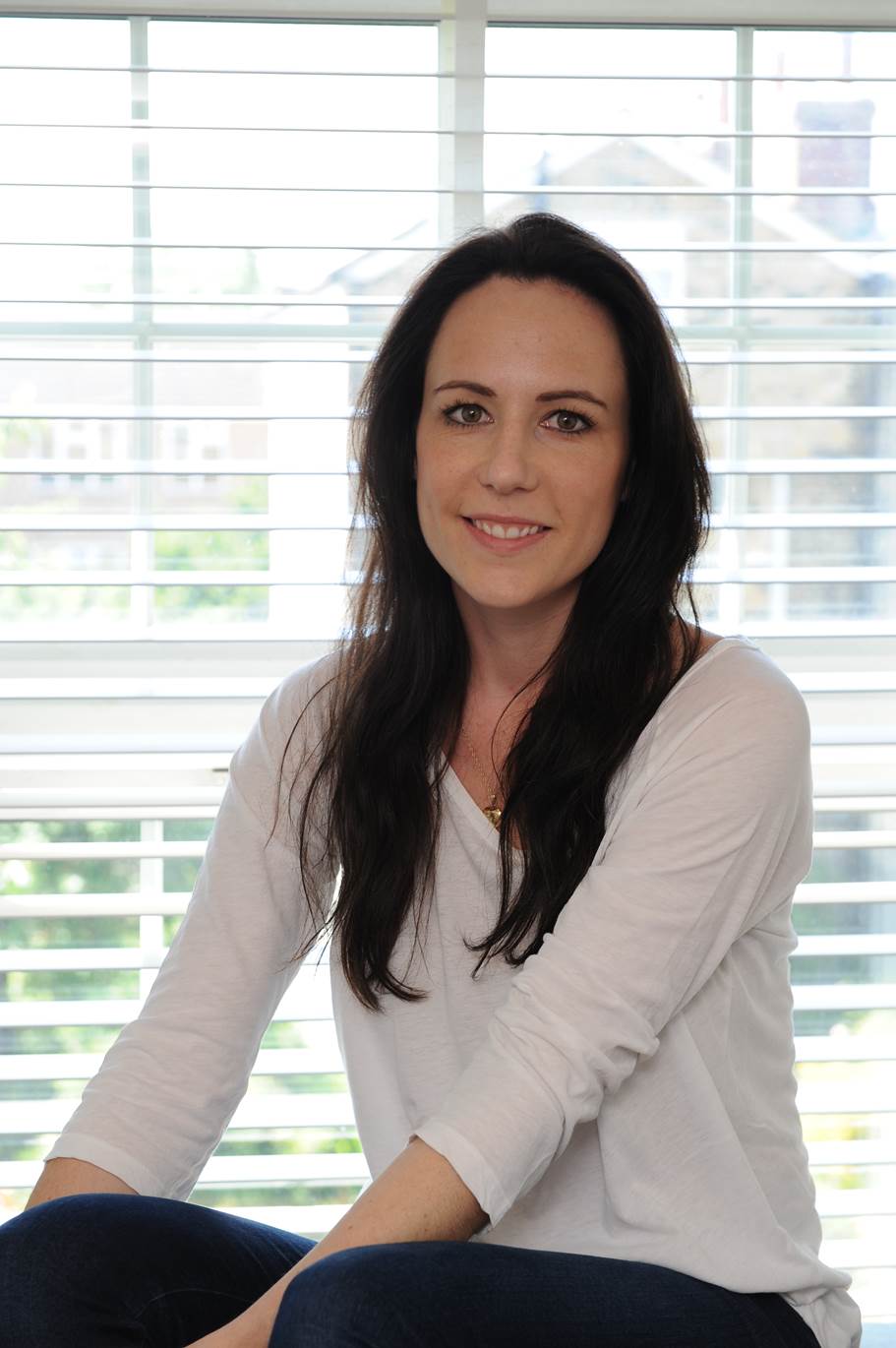
I wanted the opportunity to seek out and have a chat with a fellow anxiety sufferer to understand how they dealt with their condition. This led me to ‘Taking 10 Together’ with Claire Eastham. Claire is an award winning mental health blogger and soon to be published author of “We’re all MAD here, the no-nonsense guide to living with social anxiety”

What I loved about getting to know Claire (apart from the fact is that she is so bloody lovely!) was how we laughed about our similar experiences, about trying not to swear inappropriately and generally just talking about our condition as you would do the common cold. Here’s how our conversation went:

How long have you suffered with anxiety and panic attacks?
The anxiety started when I was 15 at secondary school. I hated attention being drawn to me. I could just be asked a question in class and I would blush and have tremors. The panic attacks started when I was 24 and these were the last warning sign before I had a nervous breakdown.

A support system can be really important when dealing with mental health, how did your family and friends deal with what was happening to you at the time?
I had kept my condition under wraps for almost 10 years. My Mum was devastated I had lived with it all this time. My family were incredibly supportive even if they didn’t necessarily understand what I was going through. My friends were there for me if I wanted to talk and I was lucky that I had those people around me.

How did you find seeking support and guidance about your mental health? Were there any specific resources aimed at young people or girls in particular which were helpful?
I first went to the Doctor with my Mum and they talked to me about the traditional medication route, unfortunately the practitioner I saw just told me to drink chamomile tea! At the time I felt incredibly lost. I turned to the charities where there seemed to be more support, Mum and I found Anxiety UK, who provided me with guidance and support. It was a relief to know there was a proper name for how I had been feeling. The NHS had a waitlist of three months for me to talk to someone, but with Anxiety UK I got access to therapy quickly at a reduced cost, having spoken to one of their call handlers. There wasn’t anything specific out there at the time, although there were forums (which I’m heavily against as they can be unhelpful and not monitored). There are now more organisations out there for support, for example Youngminds.

Your blog has become really successful why do you think that it is?

I take the clinical definitions, turn into English and try to explain it in a simplified way. I normalise and use humor so it feels ok to talk openly about mental health.

Do you think in the public eye there are a lack of individuals talking openly about mental health?
Yes, I do, but, when ‘celebrities’ do this they also need to be doing it for the right reasons. I thought it was good that Zayn Malik from One Direction was able to say the reason he cancelled some performances was due to his anxiety and not covering it up with another illness.

You are about to launch your first book about dealing with anxiety – does this bring home to you how far you have come on your journey?
It really does. I have to keep giving myself credit. It’s taught me that you can conquer it and you can get better, you just take one day at a time. It’s about not being ashamed of yourself and never to shy away from talking about it.

What practical tips would you suggest as a starting point, for a College or University, to start addressing this with their student population?
We have sex education in secondary schools why not mental health education, or when you start at university? This is often when sufferers start to see their symptoms manifest. We need to normalise it and have more peer-to-peer support groups which would be really useful. Even if you have a different condition it is often relatable and good to talk to someone your own age who is going through the same experience.

Do you think the Government needs to provide better support and funding to sufferers of mental health conditions?
Yes – absolutely! It shouldn’t fall to the charities to lead this. With suicide being the UK’s single biggest cause of death among men under the age of 45, more must be done. We have campaigns for stopping smoking; they must spend more money on mental health awareness.

If you could go back and speak to yourself at your lowest point what would you say?
I know you feel hopeless but it will get better, believe me. Good things end but so will this and you will find a way out of it.

Finally, what would do you say to empower yourself when looking in the mirror?
“It’s ok to be you”

Claire’s book is out in November published by Jessica Kingsley Publishers.

Ruth Cooper-Dickson
@ruthiecoops

Five things we learned from Richard Asomugha

Today we kicked off our Inspiration Season on our talk show, Girls Talk, with the incredibly inspiring young motivational speaker Richard Asomugha. At just 19 years old, Richard tours the UK giving motivational talks to young people in secondary school. Richard began his career after he got through a period of depression that was caused by him suffering from a career ending basketball injury.  Our hosts sat down with Richard to find out more about his company, Here with Richard and to find out the secrets to success.

You can watch the interview below and the five things we took away from our chat.

Make Lemonade

Richard lost out on a basketball scholarship that would have seen him play basketball internationally and achieve his dream career. However, an injury that could have crippled him ended his career. Instead of staying in a depressed state, he picked himself up and used this experience to motivate others.

Dress like a prospect 

It is important to think about how you want to look and how you want people to treat you. If you want respect, than dress like a prospect.

Greatness is inside all of us 

You just have to get it out and it is really simple ‘Just do it!’. You have to understand that you have something to offer and you are not on this earth by accident

Change what you are exposed to 

Show me your friends and I will show you your future’ so make sure you keep positive people around you.

Your mind needs to be on another level

Do not allow people to waste your ‘mind space’ and ensure that you are focused on being the best you can be

To subscribe to our channel to watch the full Inspiration season click here


Seven things we learned from Eric Thomas this weekend

Myself and Sheena (Girls Talk London ambassadors) had the pleasure of going to see Eric Thomas Live in London hosted by Urban Life. For those of you who have not heard of Eric Thomas, he is, in my opinion one of the greatest motivational and inspirational speakers in the world. Based in the US, he is famous for his ‘Thank God its Monday’ YouTube videos, podcasts and books.

At Girls Talk London, we love all things personal development and empowerment and we knew we were going to come away with new knowledge and tools for change after his inspiring talk.

The theme of Eric’s talk was based on Beyonce’s inspirational song ‘I was here’.  In his keynote speech, Eric declared that he wanted us all to live our lives full of potential, impact and legacy.

Eric dropped so many powerful truths in his message, we couldn’t possibly put all of what we experienced into words.

However here are 7 things we learned from his talk that we wanted to share with you:

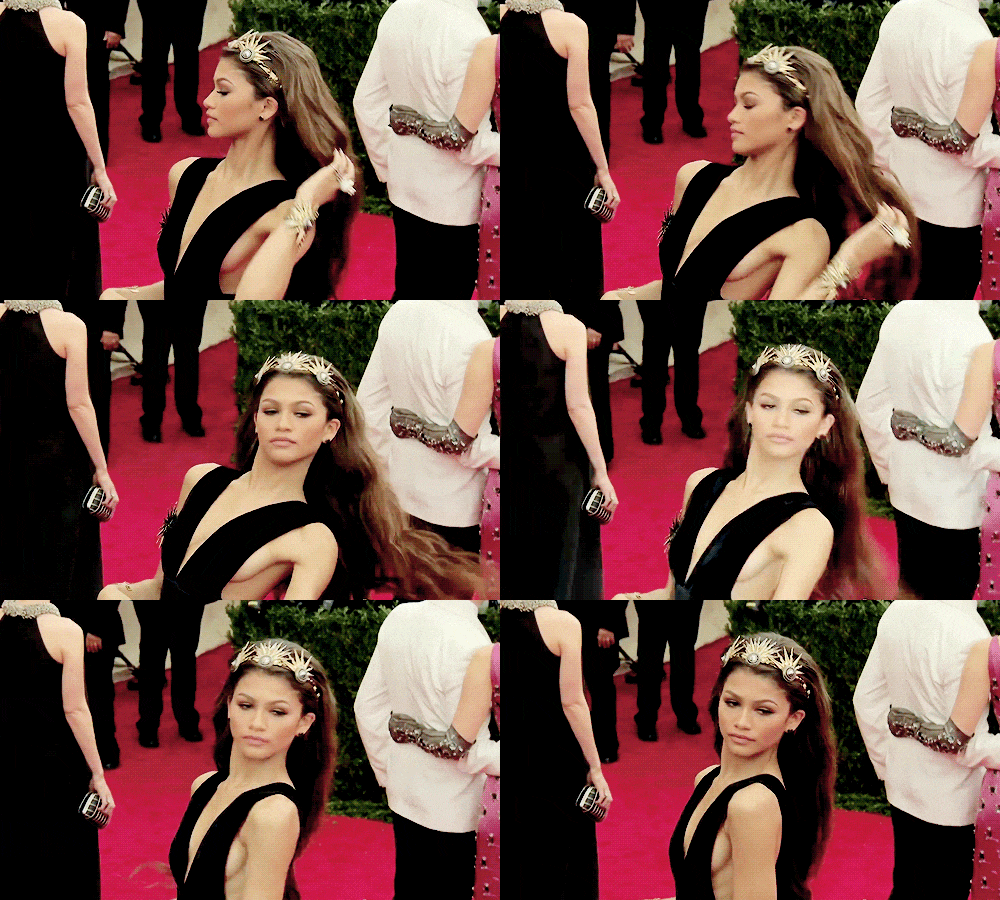
We are all royalty

zendaya-queen

Every single person is a king and queen. We should not accept mediocrity, but behave like royalty and people who have phenomenal will. Acknowledging this means that you will not settle for less and you will use your phenomenal will to achieve abundant greatness in whatever you put your mind to.

Don’t quit

It doesn’t matter how many times you feel crushed or under pressure by your personal circumstances.  If you do not quit, it will be for your own good because you will reap a greater life.  Diamonds have to go through extreme pressure in order to be the most beautiful jewel ever seen.  In order to get to the next level of your life, you must also go through a season of extreme heat and pressure in order to reach diamond status in your life. Therefore stop trying to shortcut the process and embrace every season, no matter how hard it is.

Don’t play small

You must never play small, this does not serve the world you live in. There are no rewards for those who shrink to make others feel comfortable. Recognise your greatness and live in it.

120% effort

beyonce-go-hard

In order to be successful, you must put 120% effort into everything you do. This is how you will stand out from others. Anything under 120% effort will not help. In addition you will fail to outlast your competition and also fail to make a significant impact in the world.

Stay ready

It is very important to always prepare and stay ready for future opportunities. If you prepare in advance, then when opportunity comes you are already prepared and ready for it.

Surround yourself with excellence

b-and-n

We must all learn to model excellence and surround ourselves with amazing people. The people you associate with, determine your success. Limit your interactions with people who do not add value to your life or who are extremely negative.

Stop blaming others

You cannot be successful if you keep blaming everybody else. Stop with the victim mentality and take responsibility for your life. We all have the power to create powerful lives, but this will also start when you recognise that you are in control.

After Eric’s keynote speech, we were blown away! Eric Thomas  has really inspired us here at Girls Talk London. We have already started to think about what we want to do in order to leave a mark in the world.

Like Beyonce, we want you to be able to confidently say, ‘I was here’.

We would love to know what you are willing to do in order to create an impact and legacy?

Tweet us on @girlstalklondon and let us know! 

Amaka Uche 

Follow Amaka on Twitter @AmakaUche_EY

Gif Credits: 
https://m.popkey.co/29d47b/KMLD0.gif
http://campusriot.com/
blackgirlnerds.com

Vicky Silverthorn, Start with your sock drawer

vicky-silverthorn

We first met Vicky Silverthorn last year when she came on our talk show, Girls Talk, for our pilot series. Vicky started her first business in 2010. After ten years working as a PA for well known names such as Lily Allen as well as professional sports people she decided that she wanted to concentrate on the area of Professional Organisation and Decluttering. Vicky finds herself inundated with requests from people wanting to get their homes in order – she helps with organisation, implementing practical simplistic systems and making the home more streamlined and efficient.

In September 2016, Vicky released her first book ‘Start with your sock drawer’ . We caught up with Vicky to find out what she’s been up to in the past year and what to expect from her new book.

It has been a year since you came on our talk show, what have you been up to?
Things have been really busy, the business has grown and I now have a team of 6 people. I have also worked with a few commercial partners on some fun campaigns such as Budget rent a van giving tips for people who are moving house by themselves and I became the official kitchen concierge for Samsung.

Earlier this year I appeared on a TV show called ‘The Big Spring Clean’ on Channel 4 where I was part of a team that helped UK families de-clutter their homes and attempt to give them more space.

A major thing that happened to me this year was my appearance on This Morning on ITV where I was interviewed by Holly and Phil about my work.

You have just released your new book, Start with your sock drawer. Why did you decide to write a book?
I have actually wanted to write a book for about 3 years and ever since I had the idea it was constantly on my mind. I had written a few blog posts but I had so many ideas that I just needed to get out and knew the time was right.
Then around December 2015, I spoke to my cousin Emma who helped me write the blogs and I said to her ‘I need to write this book now!’

So about a month later after telling my cousin Emma that I needed to write the book the publishers approached me after seeing me on This Morning! It is crazy how your thoughts can become a reality.

However as soon as I agreed to write the book it was then 6 months of non-stop work as I had to write the book after work in the evenings.

Why the title, Start with your sock drawer? Should we begin there?!
The main message in this book is: Start Small. I think it’s important that when you are struggling with something, try and break it down into little chunks. If you are struggling with decluttering then the simplest thing is to start with the sock drawer. After you organise this, I promise, you will get a huge buzz and thrill from being that tiny bit more organised. Then, you can tackle a different section such as the underwear drawer or a cupboard- doing a little bit each day.

Why do you think so many people dread facing the reality of their mess?
The reason why people get put off by decluttering is because they build it up in their minds and get overwhelmed and then put it off for years. If you look at decluttering as ‘Oh god, I have to de-clutter my house, bedroom or garage’ it is a massive and unrealistic task.

Some people may then see it as this giant job that will take them hours to finish- with a majority of people in the UK having very little ‘spare’ time the thought of putting a whole day aside to declutter is not realistic because if they do that then they would be sacrificing something important such as spending time with their family.

You state in the book that if you have a clear space at home you have more energy? Tell us more about this.
The whole ethos behind the book is not just about the aesthetic of the home or people’s lives and how it looks-it is much deeper than that. It is about feeling good within yourself. If you have a clean space, your head will become clearer and this means you will have more energy and are more likely to complete your to action/do list with activities such as exercise or meditation. It’s all about making you feel good and productive by getting things done.

For example, if the drawer where you keep all your gym clothes is tidy- it will take you 2 secs to get it and get dressed and this means you are more likely to go for that run rather than waste time trying to find your trainers and kit.

What are some of the key topics that you discuss in the book?
It is a how to guide for decluttering each room in your house. There is also a chapter on how to let things go and why we find it hard when we know we need to let go of sentimental things. I strongly believe that there is a solution to every issue that can arise from decluttering and the aim of the book is to get the reader through it. The book can also be used as a manual so you can pick it up as and when you need it and refer to certain chapters when appropriate.

What 3 things should people have in their homes that can help them stay organised?
1. Create simple systems that mean you can tidy up efficiently
2. Have a quick tidy up before you go to bed so you feel less weighed down first thing in the morning
3. Have a place for everything-if you pick up something and it hasn’t got a home then make sure you find one

Finally, what is next for you?
I am in talks about working on a few TV programmes and I will be grabbing new and exciting opportunities that I haven’t done before.

To purchase a copy of Start with your sock drawer click here  or visit any major book shop


Girls Talk w/ Theresa Ikoko, Writer of Girls @Soho Theatre


theresa-ikoko-1

Girls (27 Sep – 29 Oct), a new play showing at London’s Soho Theatre is inspired by the abduction of the Chibok school girls in Nigeria and the lack of media coverage that it received. Written by Theresa Ikoko, it gives a voice to the Chibok schoolgirls  as well as women suffering in conflict zones across the world following the violent uprising of Boko Haram.

The play touches on issues such as female friendship and the disparity between media coverage of such events – with some atrocities receiving worldwide coverage and others being quickly forgotten or overlooked.

Natalie Whitmore finds out more about this important play and the woman behind it, Theresa Ikoko.

Why did you decide to give a voice to girls around the world who have been victims of kidnapping, forced marriages and killed but in particular Nigeria?

I don’t really see Girls as giving a voice to anyone, as I’m not sure that’s my place/right. I see it more as an opportunity to explore some unknowns, some forgotten and some ignored people and places. I think it’s easy to dismiss the silencing and hiding of women’s stories as a problem for a particular part of the world, but there are women being sex trafficked across Europe, there are women of achievement and success being referred to solely by their marital status, sexual orientation or skin colour in news headings and crime reports. To me, Girls is a reminder, to me, as much as anyone, of the complexity, depth, potential, joy, worth, struggle and strength of girlhood and female friendship. It’s a reminder that we are more than nameless statistics, more than victims, more than our connection to a political agenda or a patriarchy.

How long did it take you to write the play and put the cast together?

It didn’t take me long to write, as I tend to start writing once I’ve already “met” the characters (in my head) and been introduced to their world, so by the time I start writing it’s pretty much a matter of whether my hands can keep up.

I finished writing Girls last summer and we started auditioning this spring. Rehearsals started at the beginning of August, so all in all, from writing to rehearsals, about a year.

When you were writing this play what was the change you wanted to see as a result of it being showcased?

I don’t really think about any of that when I write. I just want to get to know someone, a place or a thing. It’s impossible to know whether something I write will ever be read by more than me, let alone get a production. But, if I enjoy getting to know someone or their world, if I feel compassion or moved by them, if I think they have something interesting or important to say, I figure maybe someone else might too. I’m not quite sure what the power of art is… I know it is powerful, but I’m still figuring out exactly what it can do and how, outside of arts education and engagement, it can transform.

How has your work for the London Borough Gangs Team influenced your writing and understanding of the struggle females in the UK and around the world face today?

I think my work influences my writing in a number of ways. Firstly, it gives me necessary head space away from writing and the world of my characters. It can become really consuming some times and I can escape into work when I need to… Equally, when work becomes consuming, I can escape into my writing. My job also facilitates contact with a range of people. It stops me from becoming presumptive about humans and humanity. People are surprising and unpredictable, and work reminds me of that often, which helps me stay open minded with my characters. It stops me from imposing my own ideas and convenient stories into what I write.

I’m not sure I can understand the struggles of women in the UK beyond what I know as a woman who lives in the UK. I’m passionate about being a woman and curious about our place in this world. I work with a range of amazingly talented, driven women and I come across amazingly strong and resilient women. I also come across women in crisis and women who are at risk and vulnerable. I think, I have always been naturally curious and compassionate, so I think I am particularly open when I come into contact with people. If I don’t know something about a person or their world,, then I’ll wonder why and feel a real need to find out more. I think I have a need to connect with people and I think that serves me well in both work and writing.

As a Nigerian female, how did the kidnappings of the Chibok girls affect you personally?

To be honest, it didn’t effect me “personally”. I was born and raised in London and I have no family or friends in the north of Nigeria. I felt almost guilty by my privilege of distance and circumstance. I think, like many people in the world I was shocked, appalled and stirred to want to do something… But felt helpless and eventually hopeless. As a woman, and as a black woman, I was angered by the way we anonymise women and the way we forget them. I was disturbed by the selective coverage and the “fad”. I felt uncomfortable by the media response to the women who escaped and saddened by their displacement (in the world and their homes).

How do you feel about the media coverage in particular the lack of consistency when reporting on issues such as the ones you touch on in this play? (kidnappings, abuse, forced marriages)

I think the gatekeepers of mainstream media are particularly homogenous, thus, mainstream media struggles to be representative. I feel like that is why a lot of people are turning to YouTube news channels, blogs and social media for news and discussion. People are searching for places and people that represent them, or that can challenge them constructively. For a lot of us, that isn’t in mainstream media. It’s disappointing, but not surprising and until things change at the top, nothing else can be expected, and in the meantime, most of my friends seek out information from alternative, credible sources. Most of us know better than to look to certain papers or news sources for accurate and consistent reports on stories that don’t fit nicely into the editors’ perception of the world or that fall outside of the things that directly interest or effect them.

Can you tell us about the three main characters of the play and describe their friendship?

Haleema is the self assigned “leader”… Actually, the other two seem to hand it over quite easily to her. She is driven, hard, caring and practical. She can be quite single minded and incapable of understanding opinion and views that contradict her own.

Ruhab’s strength comes from her ability to adapt. She is beautiful and knows it, but she is tougher than people give her credit for. She is fun and she can be gentle. Haleema thinks Ruhab can be naive, but Ruhab would say, unlike Haleema, that she is open minded. She can appear a little self centred.

Tisana is playful and optimistic. She loves her friends and her family. She has a strong, though sometimes unrealistic, sense of who she is and who she should be. She is playful, and sometimes babied, but she has a quiet resilience that most people overlook.

Can you see yourself in any of the girls?

During rehearsals, the actors, stage managers, directors and I would often tease one another about the traits of the characters we saw in each other. If someone did something “too cool” or dismissive they got called “Haleema”, if someone had an absent minded or vain moment, they were labelled “Ruhab”, and playful, puppy energy was definitely a “Tisana” moment. But that was just for banter, these are very much just a small part of who those characters are.

I think, personally, there’s probably a bit of all of them in me. I’m not sure how much existed before I started to get to know the girls. I’m sure I’ve picked up some of their habits and traits along the way. I’d like to think that their various forms of strength (focused and narrow mindedness- Haleema; adaptability and self assurance- Ruhab; conviction and optimism- Tisana) has grown in me over the last year.

What can the audience expect from the play? What do you want the audience to take away once watching the play? (Call to action?)

The audience can expect a celebration of female friendship. They can expect joy and typical teenager banter. I hope they are moved. I hope they are reminded of the power and strength of womanhood. I hope recognise the girls. . I hope they fall in love with these girls. I hope they care about their future and their present, and their past. I hope they think of them often and the women they remind them of. I hope the audience think of the women that they don’t know, that they may have forgotten about, and they think of the potential in them.

Why did you think it was important for a UK audience to see the play?

I think people can look to art for answers, but I sort of see it like art creates a space for questions- questions we might not know to ask, or might never have been asked or a space to question our own thoughts, actions, ideas and feelings.

I don’t really want to call this play “important”… Not more so than any other story or piece of art is. I think what is important is to get to know as many people as possible and to be open to as many stories and versions of this world as exists. I love these girls and think their outlook on the world might be interesting and fun and challenging for people to engage with, so hopefully people want to spend some time with them too.

How did it feel to win the Most Promising Playwright and the Alfred Fagon Awards, and being shortlisted for Soho Theatre’s Verity Bargate Award?

The George Devine, Alfred Fagon and Verity Bargate Award are amazing awards to be acknowledged by. The alumni is incredible and to be on a list with those names is surreal. I think specifically, for Girls, a story about female friendship, a story about three black girls who are friends- for that to be acknowledged as a story worthy of being heard, was quite special to me. I think it’s easy for girls, for girls who intersect with other minority or oppressed or excluded or vulnerable groups, to struggle to find their place or worth in a world that doesn’t seem designed to accommodate our freedom to just be, so it sort of felt like, those awards were saying: 1. Girl banter is class and 2. We love these girls- imperfect and strong and decision making and flawed and surviving and fighting- just as they are.

On a personal level, it also meant, that when a little black girl from an estate somewhere googles these awards and wonders whether they are in her reach, she will see my African surname, she might read that I was born, raised and still live on estates in Hackney and she might feel a little less limited and something like this might feel a little more in her reach.

Interestingly, you have mentioned before that you don’t plan to give up your day job. Why is that?

I think for some of the reasons I said earlier. It makes my writing richer- both for what I learn about people and humankind every day and for giving me places and people to escape to when my characters are doing my head in.

Also, I studied and worked hard most of my academic life to build the career I am in right now and I really do enjoy it (for the most part). Since I was little, I’ve always believed that a day not doing what you want to do, is a day wasted (though, when I was little it sort of manifested as me being a brat). And my job and my writing are both things that I want to do. They mean a lot to me and are big parts of who I am. I feel I would be a lesser me, without one or the other…

But who knows, life is fluid and I’m open minded…, my real dream is to own a vegetable farm in the middle of nowhere and bake scones all day, so who knows.

What is next for you and your career?

I’m sort of just riding the wave. I am open to varying opportunities and happy to try new things. I’m surrounded by amazingly talented and supportive people so I feel like I’m in good hands. I’m learning a lot of lessons about the kind of work I want to make, who I want to make it with and the way I want to make it, so I’m hoping with each thing I do, I will be able to do it better and easier.
To book tickets to see Girls, click here

Natalie Whitmore


Three ways to make a great start in your career

I’ve always loved the month of September. It always reminds me of a mini-new year. Like many other recent graduates across the country, you may be getting ready to start your new graduate role, or waiting for graduate employers to reopen their applications.

This may be a time of anxiety or excitement for you. Starting out in your career is one of the most important decisions you will ever make. It will ultimately shape the trajectory of your life. However fear not, here are my top tips for a great start in your new career.

Find a role that you will enjoy

passion
You are going to spend at least 8 hours a day at work so you might as well enjoy it! Look for a role that will interest you, challenge you and excite you rather than simply going after a job because of the salary. Be passionate about what you get to do or the role you are applying for.

Know your strengths

oprah-gif
I believe it is very important to know what your natural abilities are. Align yourself to roles that are able to show off what you can do and the value you can bring to a role or a company. The more you work according to your natural abilities, the more likely you will excel in your job and future career. It is very important to know yourself and what you are good at. Focus and play on your strengths when applying for a job role rather than focusing all your attention on your weaknesses. Check out the website www.jobmi.com which has helped me discover my strengths.

Think of your career as a series of experiences

beyonce-skydive

The most optimistic and intelligent way to look at your career isn’t how long you stay with one employer. I have learned that you will need to collect experiences throughout your career, whether that is with five employers or ten, one business department or five or in one country or three. You need to be excited at the prospect of being a lifelong learner if you want to make an impact, succeed and feel accomplished. The experiences you have expand your world view, give you new perspectives and make you a more interesting and employable person.

Amaka Uche

Follow Amaka on Twitter @AmakaUche_EY

Image Credit:

http://fabmagazineonline.com/wp-content/uploads/2014/02/beyonce-auckland-freefall.jpg

https://media4.giphy.com/media/CDxnTCyGsNNMA/200.gif

https://38.media.tumblr.com/162ce55d3663ce6aa957525cdeea2dcc/tumblr_nrjw4ySmSv1qk08n1o1_500.gif